Use the flower as an opening
A flower name can suggest a mood or a visual world before you have read a fragrance description. Treat that association as a starting point, not a complete account of the composition. Our editorial suggestion is to write down what interests you about the idea, then compare it with the maker's actual language. A picture of petals does not establish a note pyramid, the presence of a particular extract or how a fragrance will develop for an individual wearer.
Identify the Frangipani reference
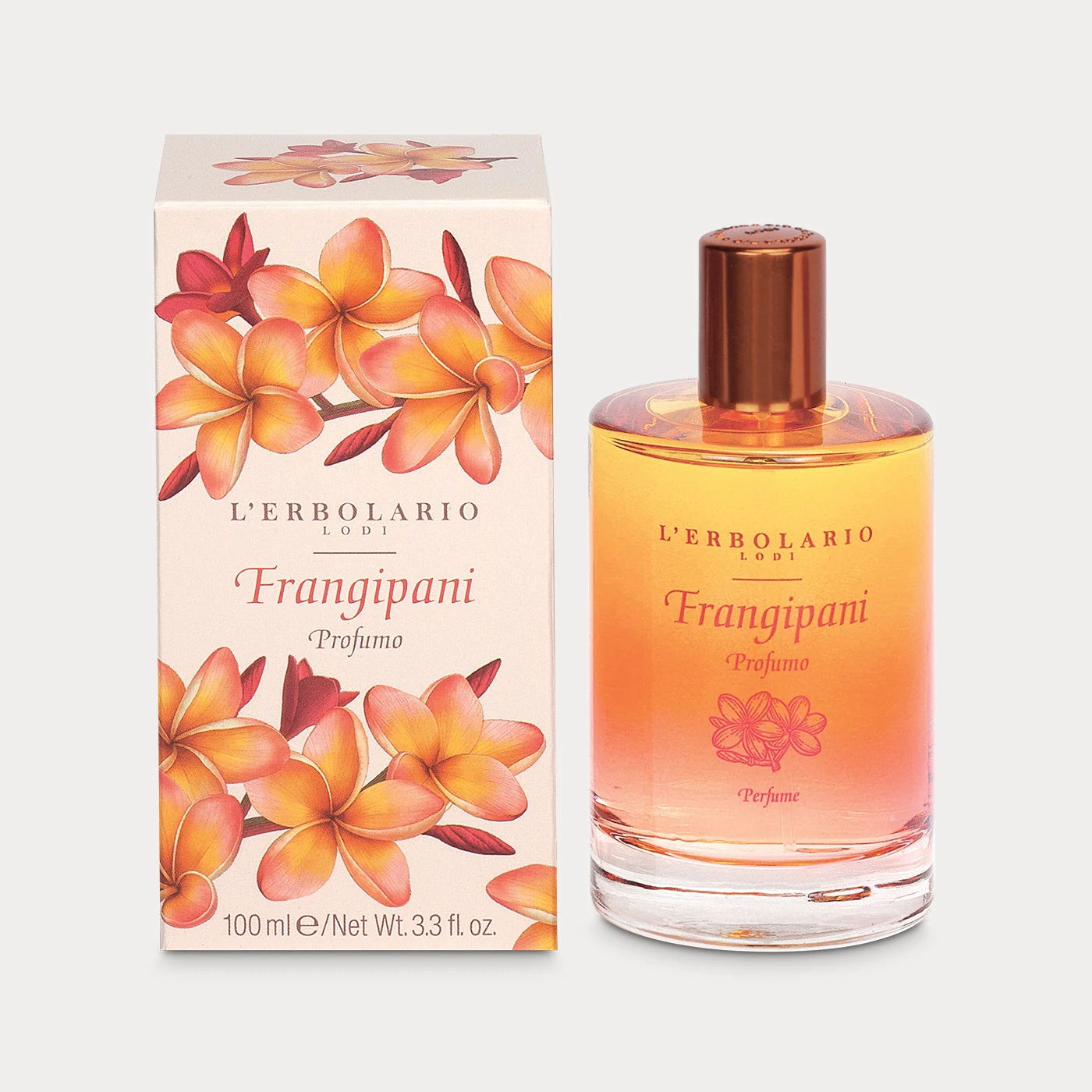
L'Erbolario's official link names Profumo Frangipani in a 100 ml presentation, providing a specific personal-fragrance reference for this guide. Keep that product separate from the brand's Frangipani room-fragrance items. A shared collection name does not make the formats interchangeable. Read the current fragrance description for any named notes and the package for directions; this article does not reconstruct a formula from the flower in the title or invent a concentration category.
Separate notes from ingredients
Fragrance notes are a way of describing an olfactory impression; an ingredient list serves a different purpose. A named flower in a scent description should not automatically be read as proof that the formula contains that flower's extract in a particular amount. Keep the two references side by side when researching. Our editorial approach is to preserve the maker's exact descriptive scope, then leave space for your personal associations without presenting them as verified composition facts.
Choose your comparison language
When comparing floral fragrances, a few clear words can be more useful than an elaborate imagined scene. Note whether the official description emphasises a particular direction, then record questions you would like to explore. Our suggestion is to compare one fragrance at a time and distinguish a first impression from a settled preference. We have not worn or tested the product, so this guide makes no claim about its projection, longevity or development on skin.
Give the format its own instructions
Use personal fragrance only according to its own directions and warnings. A body cream, room diffuser and perfume may share a scent theme while requiring different handling. Do not transfer an application method between them. Our organisational suggestion is to keep personal fragrance clearly identified among the other items in the routine, with its label accessible. Any question about suitability or a component belongs with the exact product information, not an assumption based on a familiar floral name.
Keep a useful fragrance shortlist
A shortlist can record the full product name, the official page, the format and the descriptive notes that caught your attention. Add personal preferences as your own observations, not as universal recommendations. This keeps the comparison useful when several collections use similar botanical imagery. Revisit the current source before choosing another version, and remember that a floral family is a way to organise exploration, not a promise that everyone will enjoy or respond to a fragrance in the same way.
Sources & further reading
Product descriptions and directions may change. Read the current label, ingredients, warnings and official instructions for the exact item. Editorial ideas do not establish efficacy or individual suitability. Keep room fragrance instructions separate from personal fragrance.