Begin with the descriptive family
Citrus can be a useful browsing word, but it should not replace a fragrance's individual description. It may bring a personal association with fruit, light or an everyday scene; those associations belong to you. Our editorial suggestion is to identify what attracts you to the category before treating it as a prediction. A bright bottle, fruit illustration or collection name cannot establish the complete notes, ingredients or development of a fragrance.
Read Cedro di Calabria precisely
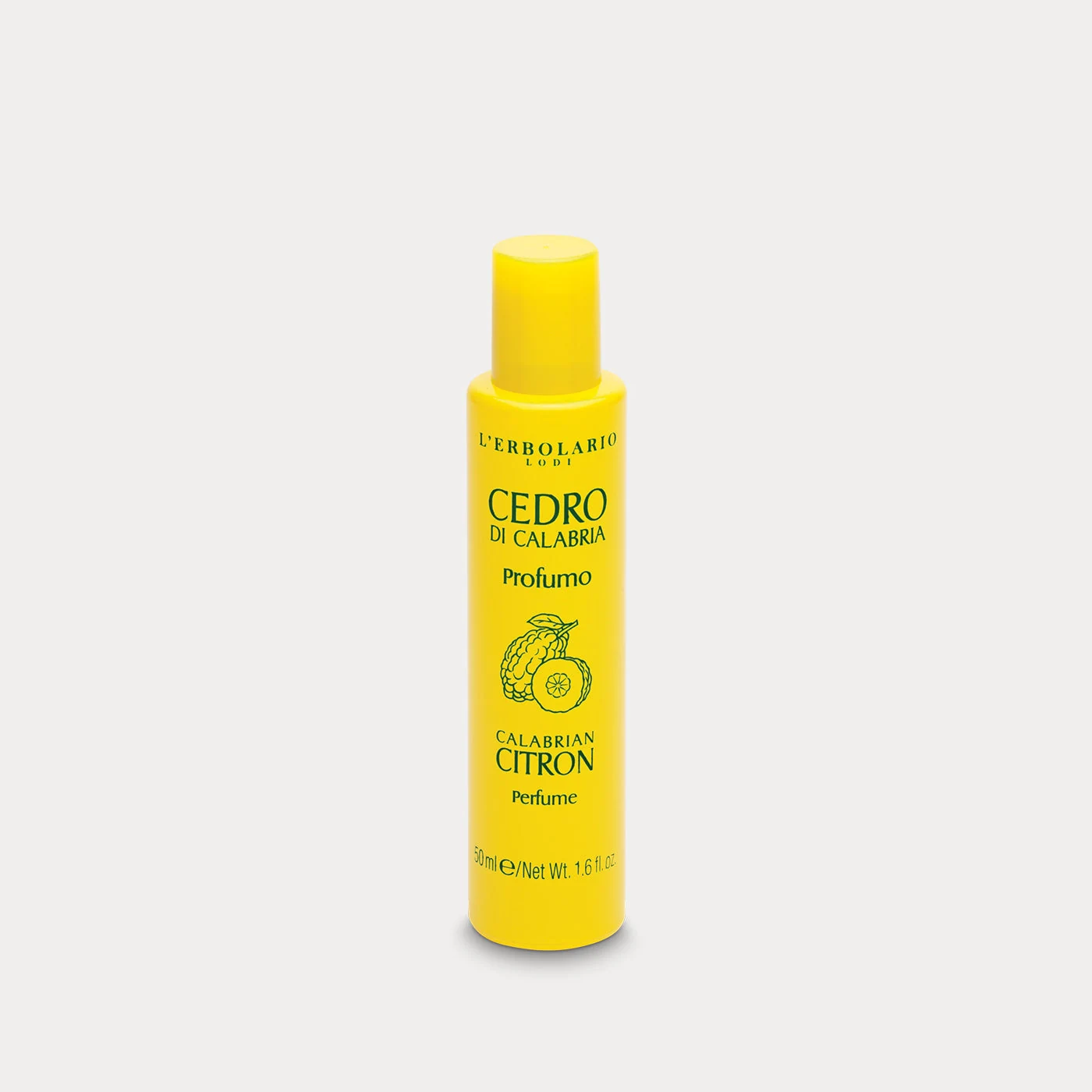
L'Erbolario's official page identifies Profumo Cedro di Calabria in a 50 ml format and classifies it as citrus and green. The maker names citron, lemon, bergamot, pink pepper and vanilla berries in its note description. Those are the brand's olfactory references, not a reconstructed ingredient formula or our own test observations. The label marks the product as flammable; read its current directions and warnings. Keep this personal fragrance distinct from any related room-scent format.
Compare one described feature at a time
When looking at two citrus-themed fragrances, choose a single question: which notes does the maker name, how is the surrounding composition described, or which format is offered? Our editorial approach is to compare the actual wording before imagining a whole wearing experience. A category alone does not establish sweetness, sharpness or the way a scent changes over time. We have not tested the fragrance and do not claim a particular projection, longevity or development.
Leave seasonal rules optional
A citrus association may suit your idea of warm weather, but a calendar is not an instruction about who can wear a fragrance or when. Treat occasions and seasons as personal organising tools. Our suggestion is to build a shortlist from the descriptions you find interesting, without reducing a whole family to one setting or gender. If the exact product gives directions or warnings, those practical details take precedence over an editorial mood or imagined seasonal scene.
Keep personal and room scent distinct
Before bringing a citrus theme into several parts of a routine, identify every item separately. Perfume, body care and room fragrance require their own instructions even when the collection names are related. Do not use a fragrance liquid in another format merely to maintain a matching scent. Our organisational suggestion is to record each product's intended purpose alongside its name, so the pleasure of a common theme does not blur its actual use.
Record preferences as preferences
A fragrance note can hold the exact product name, official source, descriptive notes and the questions you still want to explore. Mark your own associations as personal, rather than turning them into claims that the scent energises, calms or suits everyone. Recheck the source when choosing another format or version. Herb & Bloom offers language for a clearer comparison, not a test report or a promise about the experience of wearing a citrus fragrance.
Sources & further reading
Product descriptions and directions may change. Read the current label, ingredients, warnings and official instructions for the exact item. Editorial ideas do not establish efficacy or individual suitability. Keep room fragrance instructions separate from personal fragrance.