Identify what kind of statement you see
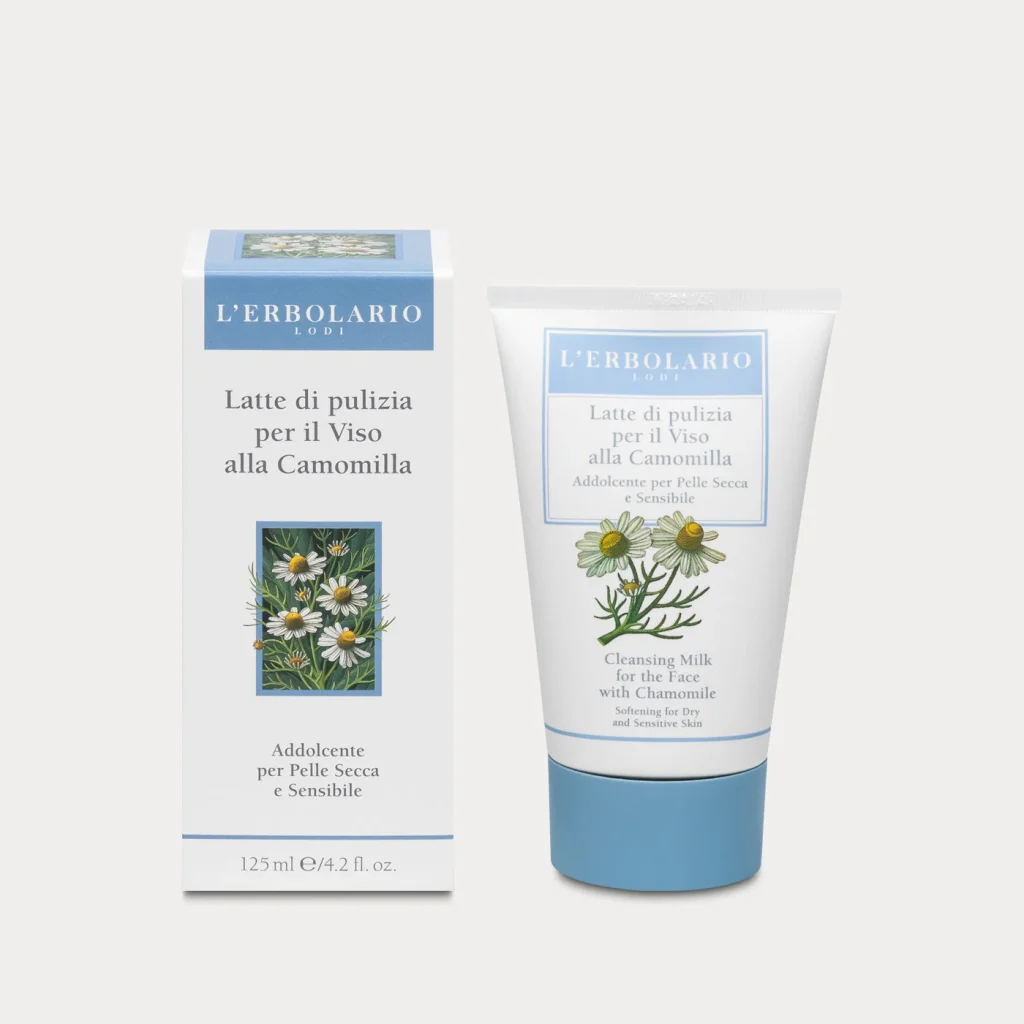
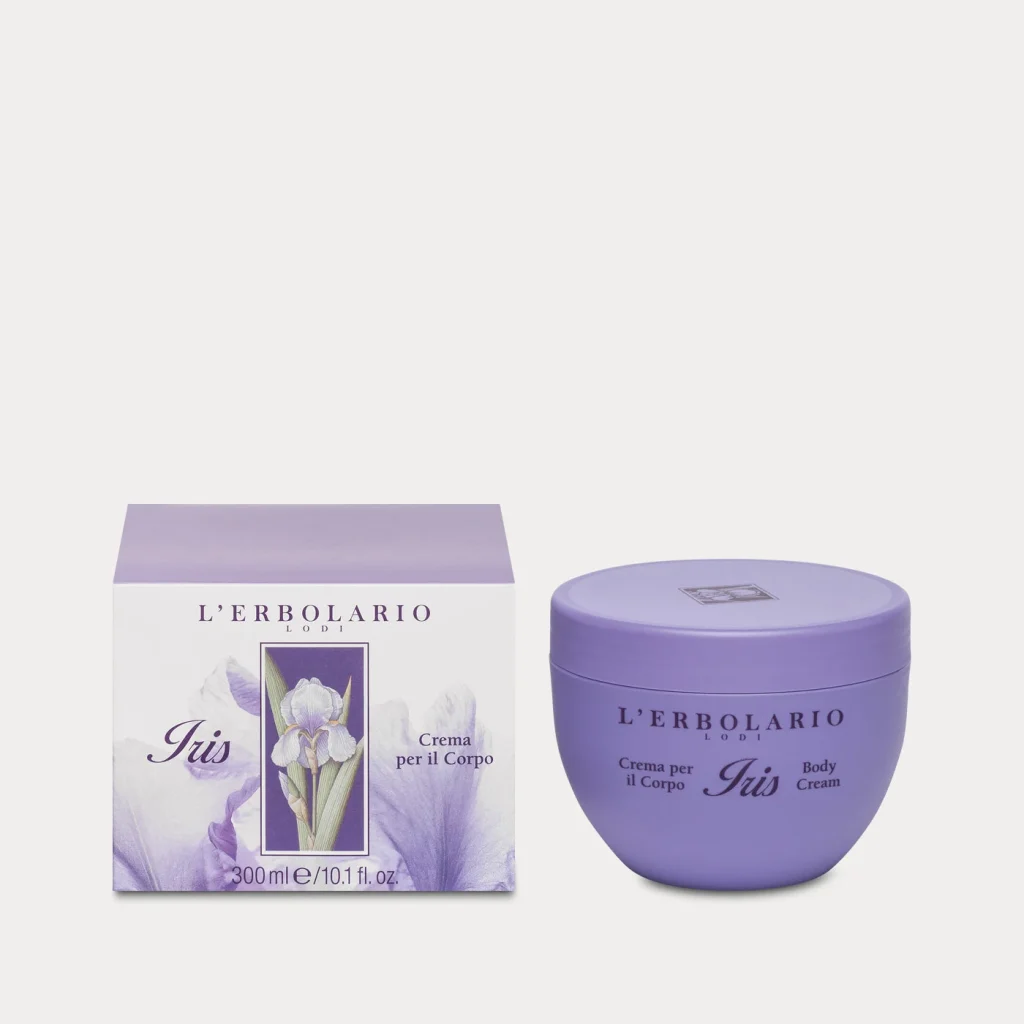
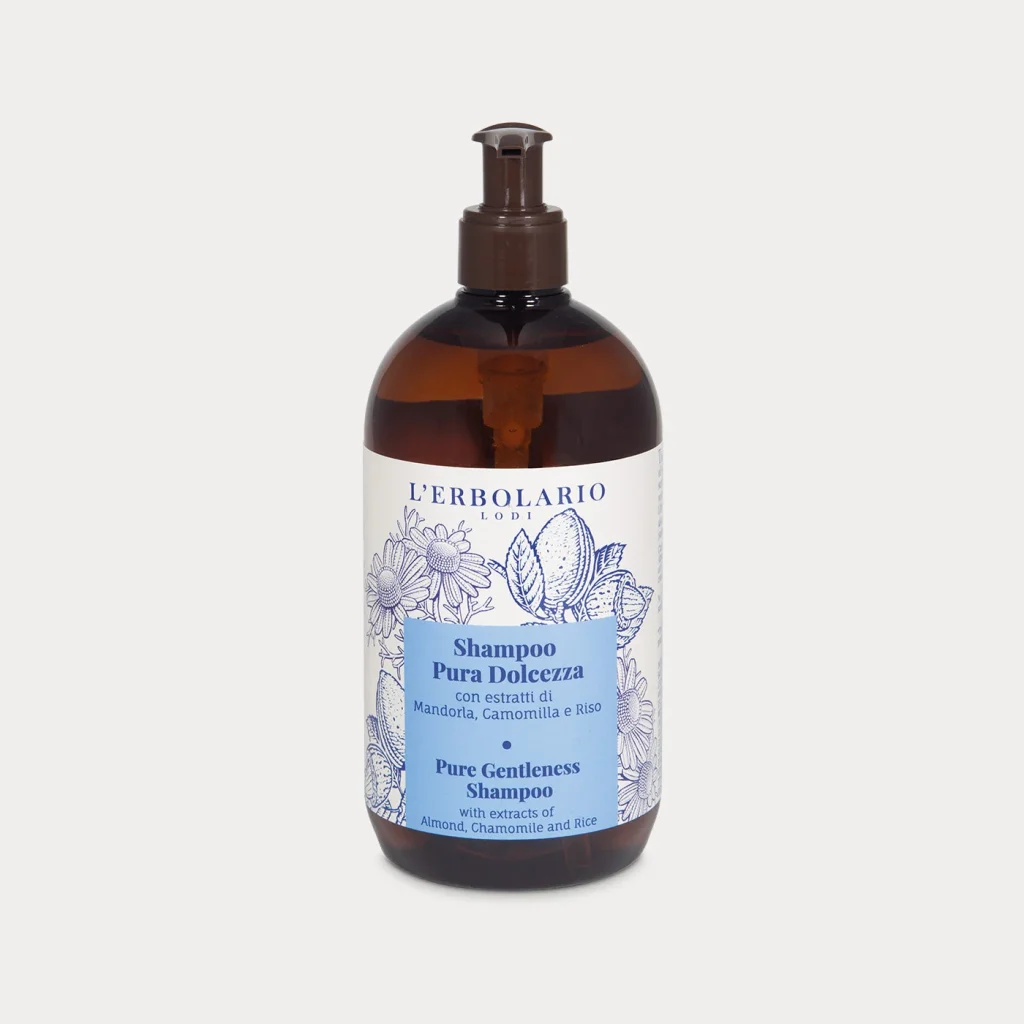
A botanical reference can appear as a collection name, an illustration, a scent description or a named ingredient. Those uses do not mean the same thing. Our editorial suggestion is to identify the role of the reference before drawing a conclusion from it. A leaf on a box may help explain a collection's visual identity without establishing an extract, its amount or a product's suitability. Start with the full product name and the purpose stated on its label.
Use the official ingredient context
L'Erbolario's I nostri ingredienti page describes inspiration from plants, flowers and fruit, alongside extracts and distilled waters produced by the company. Read that brand-level context with the exact product's current ingredient list and instructions. It does not establish that every formula contains every ingredient discussed, or that every ingredient is natural. Keep the source's scope intact rather than applying a general botanical description to an item that does not identify the component.
Keep description and composition apart
The language used to describe a fragrance or the feel of a product may have a different purpose from the ingredient list. Record them separately when comparing options. Our practical suggestion is to copy the exact ingredient wording from the current product source rather than translating it into a broad claim such as natural or universally suitable. Do not infer a percentage from prominence on a package, a collection title or the order in an editorial description.
Read directions and warnings as a whole
Look for the product's intended area of use, required sequence and any warnings before treating it as a step in your routine. A botanical theme does not override those instructions. Keep personal-care and home-fragrance formats distinct even if their names are related. Our editorial approach is to read the entire relevant label, not only the appealing front panel, and retain information from the outer package when it is not repeated on the container.
Build a precise comparison
For each product, note the exact name, format, intended purpose, ingredient source and directions you need to clarify. Compare like with like: a cream and a room fragrance can belong to the same visual world while answering different needs. Questions about individual suitability should be handled with appropriate product-specific advice. A short table of verified information is more useful than an enthusiastic paragraph that blends brand storytelling with assumptions about ingredients or results.
Recheck rather than rely on a theme
When replacing a product, revisit the current label and source even if the botanical name is familiar. Similar packaging does not prove that formats, components or instructions are identical. Our suggestion is to keep a dated note or label photograph as a reference for the item you actually own, while using the current maker information for a new one. Herb & Bloom organises the reading process; it does not certify formulas, test efficacy or assign a universal meaning to botanical language.
Sources & further reading
Product descriptions and directions may change. Read the current label, ingredients, warnings and official instructions for the exact item. Editorial ideas do not establish efficacy or individual suitability. Keep room fragrance instructions separate from personal fragrance.